

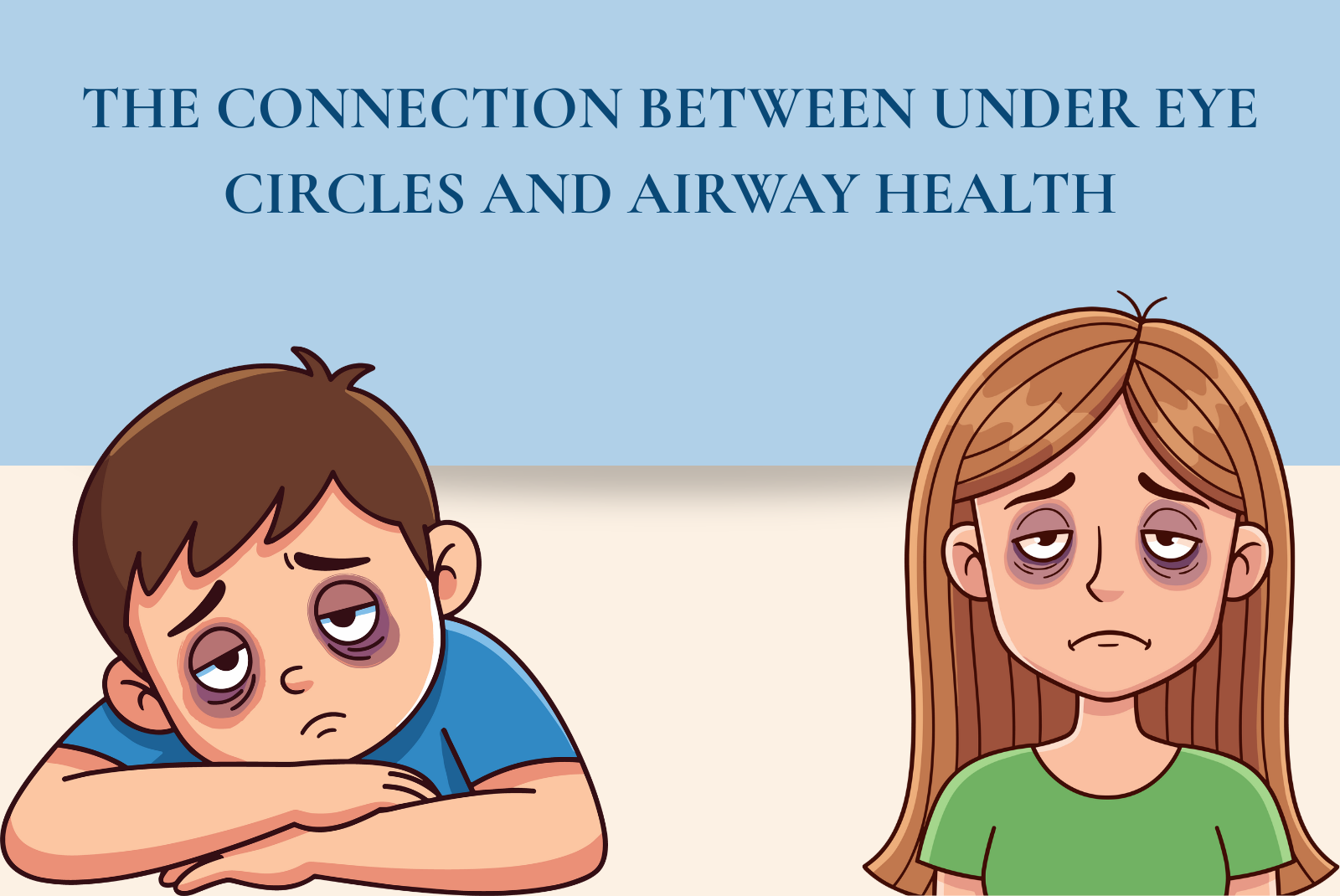
Have you ever noticed faint bluish or purple shadows under your child’s eyes even when they’re getting plenty of sleep?
These “allergic shiners,” as they’re often called, aren’t just about tiredness. They can be a sign of inflammation, congestion, or poor air quality affecting your child’s airway health and ability to breathe.
When the air your child breathes isn’t clean or their nasal passages are congested, oxygen flow decreases and it often shows up right under the eyes.
How Air Quality Affects Children’s Breathing and The Appearance of Dark Circles
Children breathe more rapidly than adults, and their airways are smaller. That means polluted or dry indoor air can have a much greater effect on them.
Poor air quality both inside and outside the home can lead to:
- Swelling of nasal tissues and sinus congestion
- Increased inflammation and allergies
- Mouth breathing instead of nasal breathing
- Lower oxygen saturation during sleep
All of these impact the small veins under the eyes, making them darker and more visible.
When the nose is congested, blood flow slows around the eyes, giving that telltale “tired” look, even if your child slept well.
The Airway Connection
Dark circles aren’t just cosmetic. They often point to an underlying airway imbalance.
When nasal breathing is restricted, a child may:
- Rely more on mouth breathing
- Sleep with an open mouth (reducing oxygen levels)
- Experience restless or light sleep
- Wake up less refreshed
This chronic pattern can lead to the “fatigued” appearance around the eyes which is a subtle but important clue about your child’s airway and environment.
Common Air Quality Triggers Inside the Home
You might be surprised by how many airway irritants come from everyday environments:
- Dust mites and pet dander thrive in carpets, bedding, and upholstery
- Dry indoor air especially during winter heating
- Candles, cleaning sprays, and air fresheners release VOCs (volatile organic compounds)
- Mold or mildew often hidden in bathrooms, basements, or humidifiers
- Poor ventilation stale air leads to trapped allergens and less oxygen exchange
Even low-level irritants can inflame nasal passages over time, leading to congestion and visible dark circles.
Simple Ways to Improve Air Quality and Airway Health
The good news? Small, consistent changes can make a big difference.
- Purify the air
Use a high-quality HEPA air purifier in bedrooms and living spaces. - Check humidity levels
Keep indoor humidity around 40–50%. Dry air irritates nasal tissues, while overly humid air encourages mold. - Change filters regularly
Furnace, air conditioner, and purifier filters should be replaced every 1–3 months. - Reduce fragrances and aerosols
Opt for unscented cleaning and laundry products. - Encourage nasal hygiene
Gentle saline sprays or rinses help clear allergens and support nasal breathing. - Spend time outdoors
When outdoor air quality is good, natural movement and fresh air support healthy breathing patterns.
When to Seek Support
If your child’s dark circles persist despite sleeping and air quality, it might be time to check in with a professional who understands airway function, such as a pediatric ENT, allergist, or myofunctional therapist.
They can help assess whether nasal obstruction, enlarged adenoids, or oral posture might be contributing factors.
Those dark shadows under your child’s eyes are often more than just tiredness they’re a gentle signal from the body.
By paying attention to air quality and supporting healthy nasal breathing, you can improve not just how your child looks, but how they sleep, grow, and thrive.